|
|
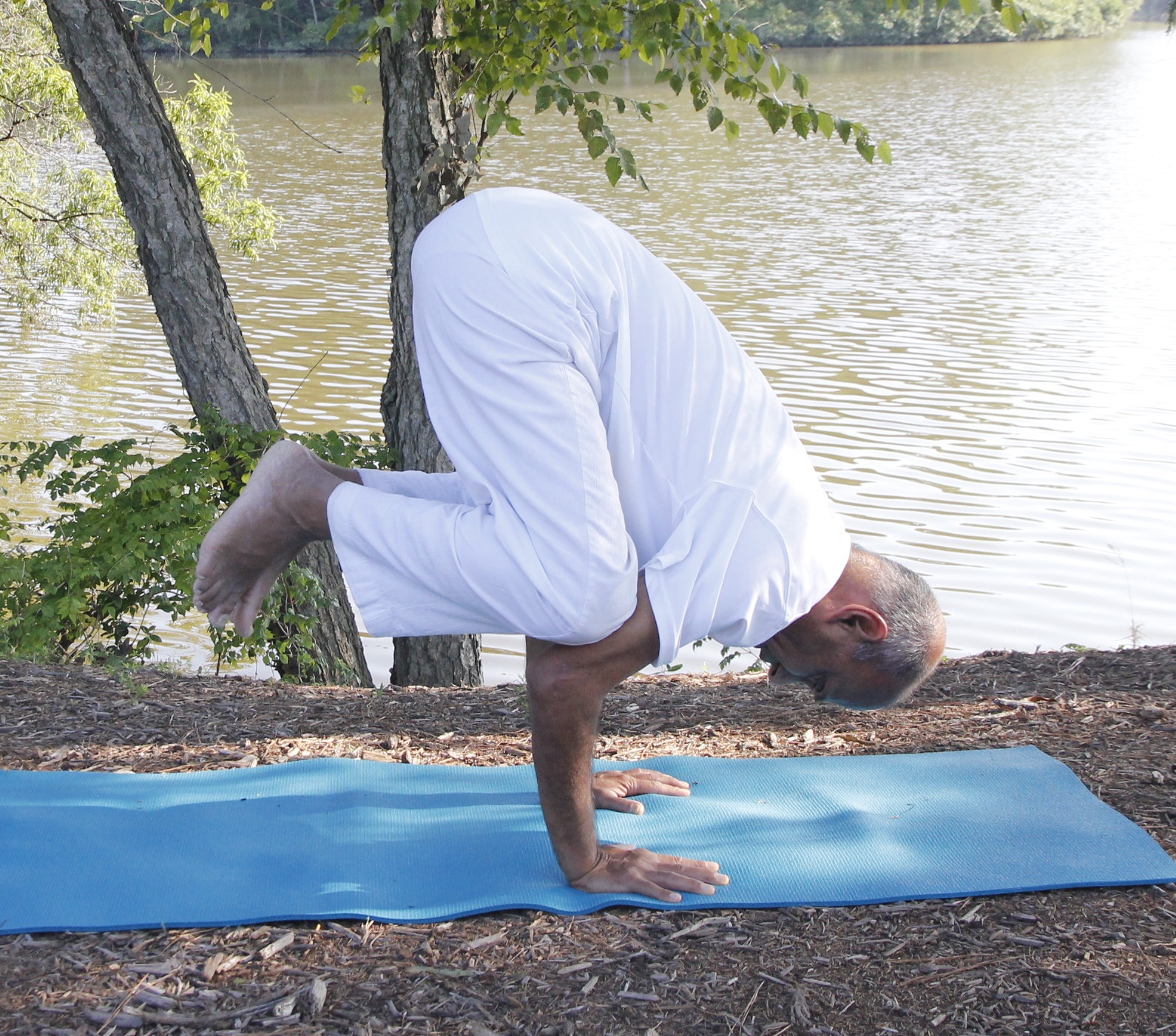
Kakasana (crow pose)
The crane pose (Bakasana बकासन) and the crow pose (Kakasana काकासन) are arm balancing poses that will help you develop good strength in the wrists, arms, abdominal and core area, and thighs. They also help develop good mental focus. These two poses are almost identical in their approach. The only difference is that in the final pose, the elbows are bent in the Kakasana while they are straightened in the Bakasana. For most people who are just learning the pose, it is practiced with the elbows bent. That is the variation we’ll be working on. So, from here on in this article, I’ll be referring to the pose only as Kakasana (crow pose).
For most beginners, the crow pose is a challenging pose. In order to prepare for the pose. we’ll first go through a sequency of a few preparatory asanas.
I hope you’ll enjoy practicing with the video demonstration.
Continue reading »
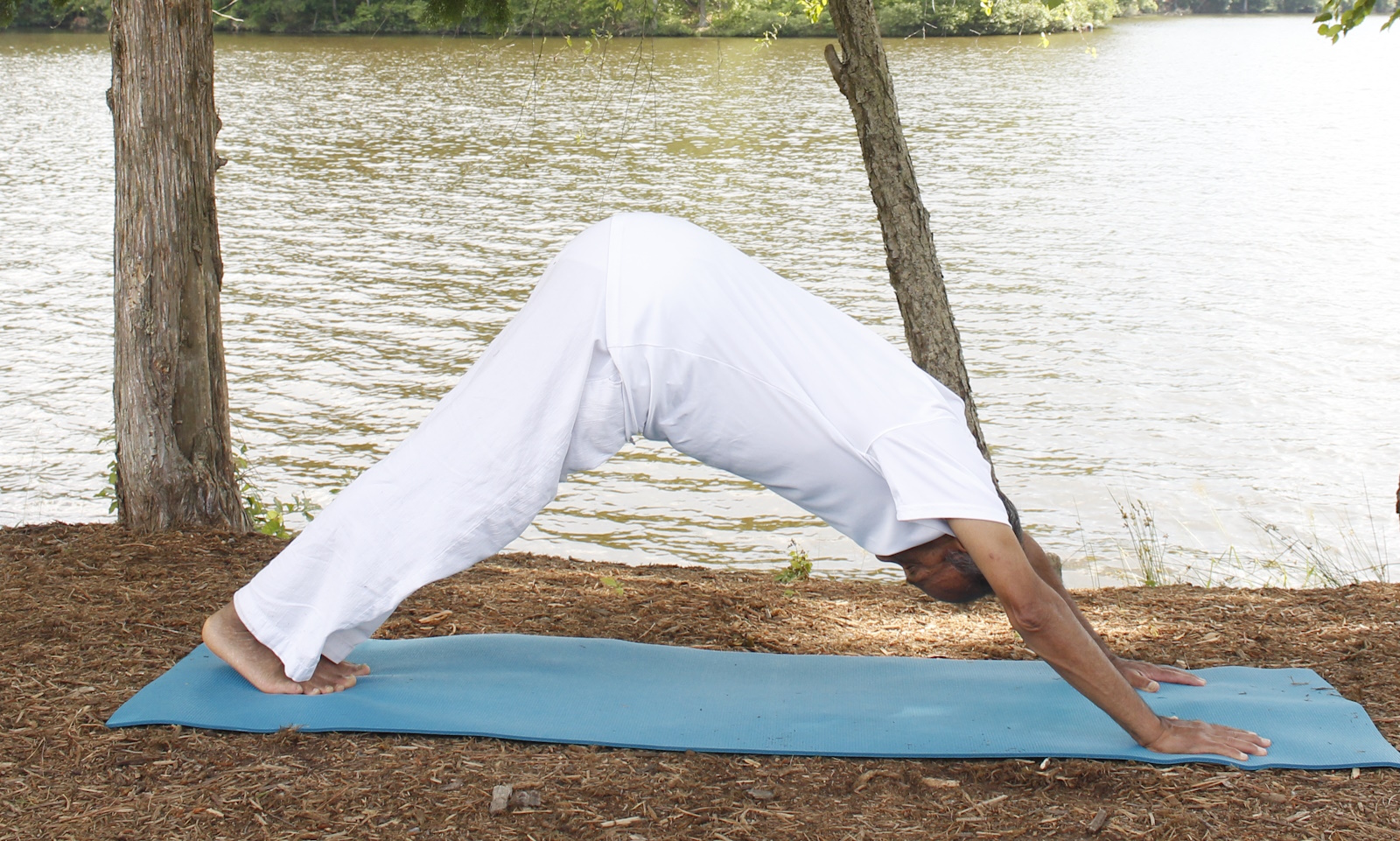
Adhomukha-shvanasana (downward dog)
I am pleased to announce a 14-day Beginner Level yoga program. If you are a yoga newbie, this program will introduce you to the basics of asana (physical postures), pranayama (breathing techniques) and meditation. If you already have yoga experience, this program will help you enrich your yoga experience and also motivate you to re-establish your personal ongoing practice. Over the course of the program, I will offer guidance on how to build your practice at home so you can continue to enjoy the benefits of your practice.
You can download the flyer here. Feel free to share it with your own distribution lists.
You can join the program online via zoom or in-person at my home studio.
Continue reading »
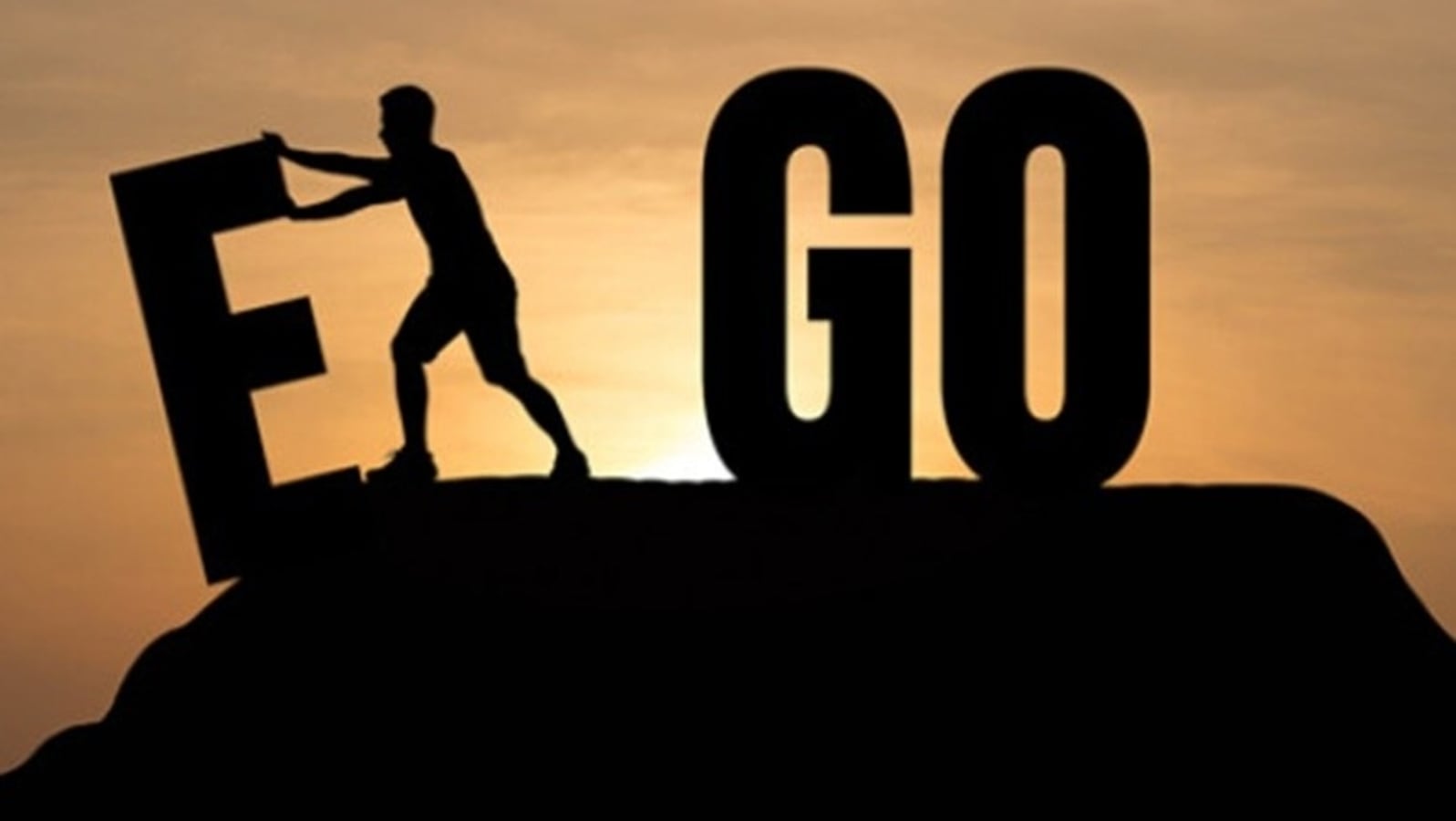
If you have attended any of the yoga classes that I teach, you’d have noticed that at the end of the asana sequence and just before yoga nidra, we sit quietly for a “moment of reflection”. During this brief period, we try to replay in the mind the sequence practiced so far like a video replay. This reflection gives us an opportunity to become more aware of ourselves at the physical, breath and mental levels. This enhanced level of awareness helps us identify if at any time the mind, driven by the ego, rather than the intellect, tried to push the body beyond its natural limits
These three levels of awareness represent the lower three of what are known as Pancha Kosha (five levels of awareness). Let’s take a brief look at these levels of awareness.
The five levels of awareness
Continue reading »
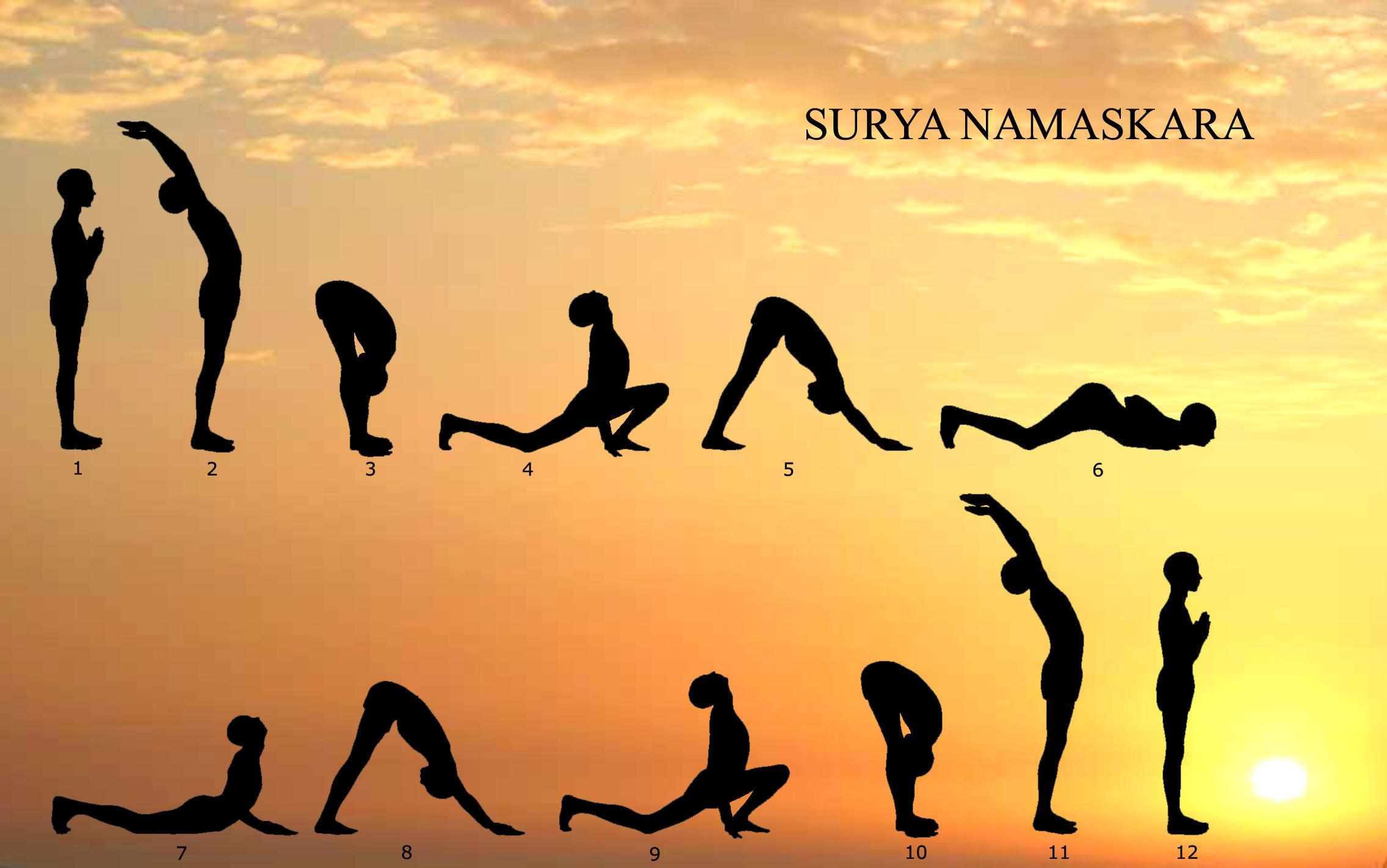
Surya Namaskar
7-day Surya Namaskar Sadhana intensive
I am pleased to announce a morning intensive – “Surya Namaskar Sadhana”. You can join the program online via zoom or in-person at my home studio.
You can download the flyer here. Feel free to share it with your own distribution lists.

- Program: Surya Namaskar Sadhana Intensive
- In-person: At my home studio located at 206 Redwood Park Drive, Morrisville, NC 27560
- Zoom access: The link to access via zoom will be provided upon receipt of registration and payment.
- When: Monday, Oct 2 – Sunday, Oct 8, 2023
- Time: 6:00 – 7:30 AM (US East Coast time, EST)
- Program Fee:
Continue reading »
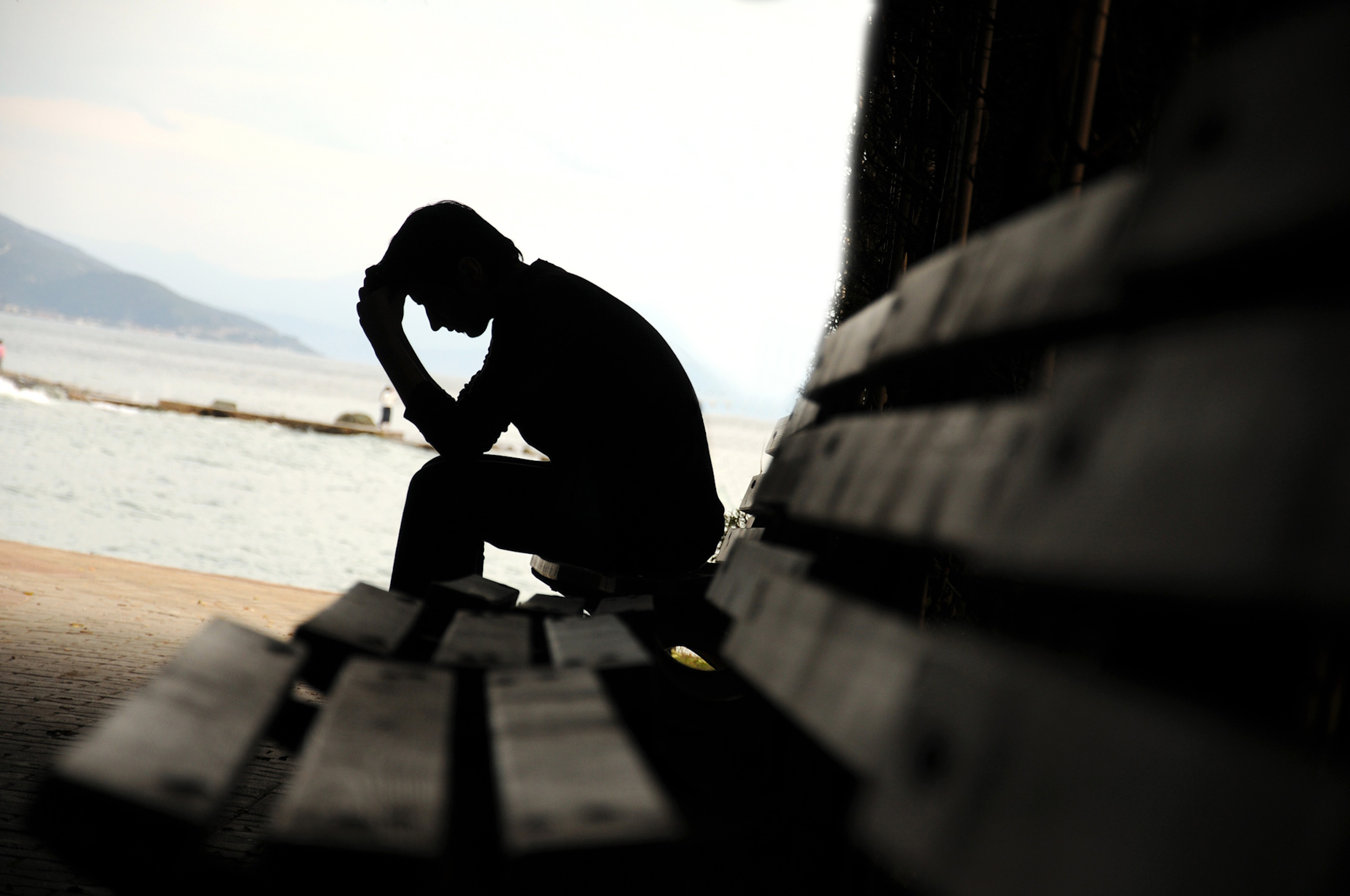
Depression
Introduction
Depression is a common mental disorder that afflicts a large number of people. It can negatively impact the way you think, feel and act. Often characterized by overwhelming sadness, lethargy, and a sense of hopelessness, depression can deeply impact one’s emotional, cognitive, and physical well-being. Understanding its causes, effects, and various approaches for cure is essential to address this widespread ailment.
Symptoms of depression
Symptoms can vary from mild to severe and may include:
- Feeling of sadness or having a depressed mood
- Loss of interest or ability to enjoy activities previously enjoyed
- Changes in appetite — eating too much or too little resulting in weight loss or weight gain
- Change in sleep pattern – sleeping too much or not enough sleep
- Lethargy, loss of energy, feeling always tired and listless
- Feeling of guilt, shame or total worthlessness
- Fogginess of mind – not able to think clearly, stay focused or make decisions
- Suicidal tendencies
- Strained personal relationships and a sense of isolation
Continue reading »
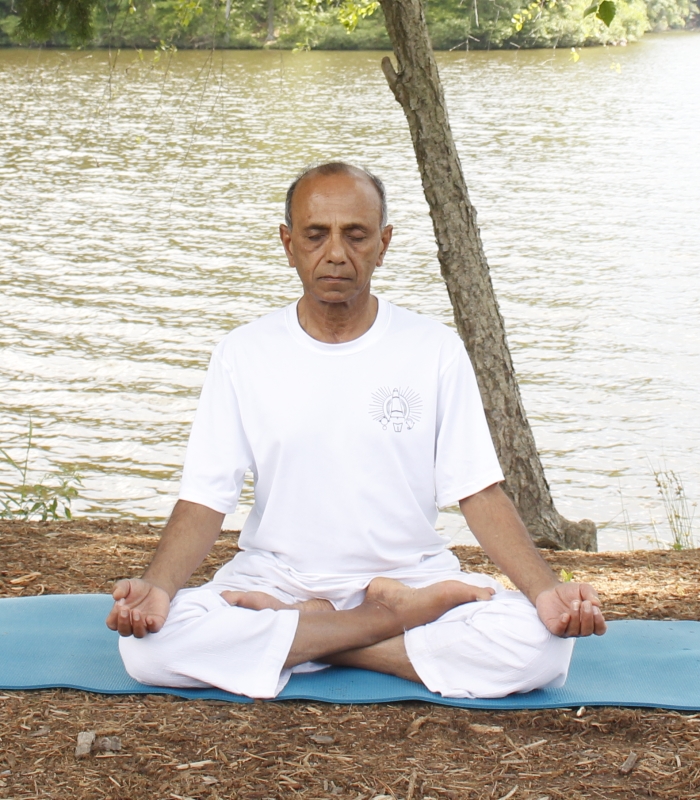
Padmasana (Lotus Pose)
How would you like to learn to:
- Deal with stressful situations
- Develop a clam, peaceful mind
- Stay in the present moment
- Improve creativity through clarity of mind
- Improve relationships
- Sleep better
- Connect with your true inner Self
A regular practice of meditation is known to give you all the above and many more benefits.
I invite you to join me for the next 14-day Meditation Intensive. In this program, I will be presenting the basic concepts of meditation and practice several meditation techniques.
No prior asana, pranayama or meditation experience is required.
Flyer: You can view/download the program flyer here. Feel free to share it on social media and with your own distribution lists.
Program Information
- What: 14-day Meditation Intensive
- When: Monday, September 4 – Sunday, September 17, 2023
- Time: 6:00 – 7:30 AM (US East Coast time, EST)
- Participation: Hybrid mode
- In-person at my home yoga studio located at 206 Redwood Park Drive, Morrisville, NC 27560
- Remotely via zoom – zoom login info will be provided upon receipt of registration and payment
- Instructor: Subhash Mittal
- Fee:
- $100 – check, Zelle (use subhashmittal@gmail.com) or Venmo (use 9199269717)
- $105 – paypal (go to bottom of page)
- To register: fill out the registration form and submit it online.
- Daily Routine: Light stretching (10-15 minutes), Pranayama (15 min), Relaxation (10-15 min), Discussion and meditation practice (40-45 min)
- Commitment: A firm commitment to follow this schedule and attend every day
Strongly recommended
- Light,’sattvic’, nutritious, VEGETARIAN food
- No alcohol, drugs, tobacco or any other item of similar nature
- A personal commitment to continue the practice after the program is over
Please visit here for more details…
Do not hesitate to contact me if you have any questions. I look forward to your participation.
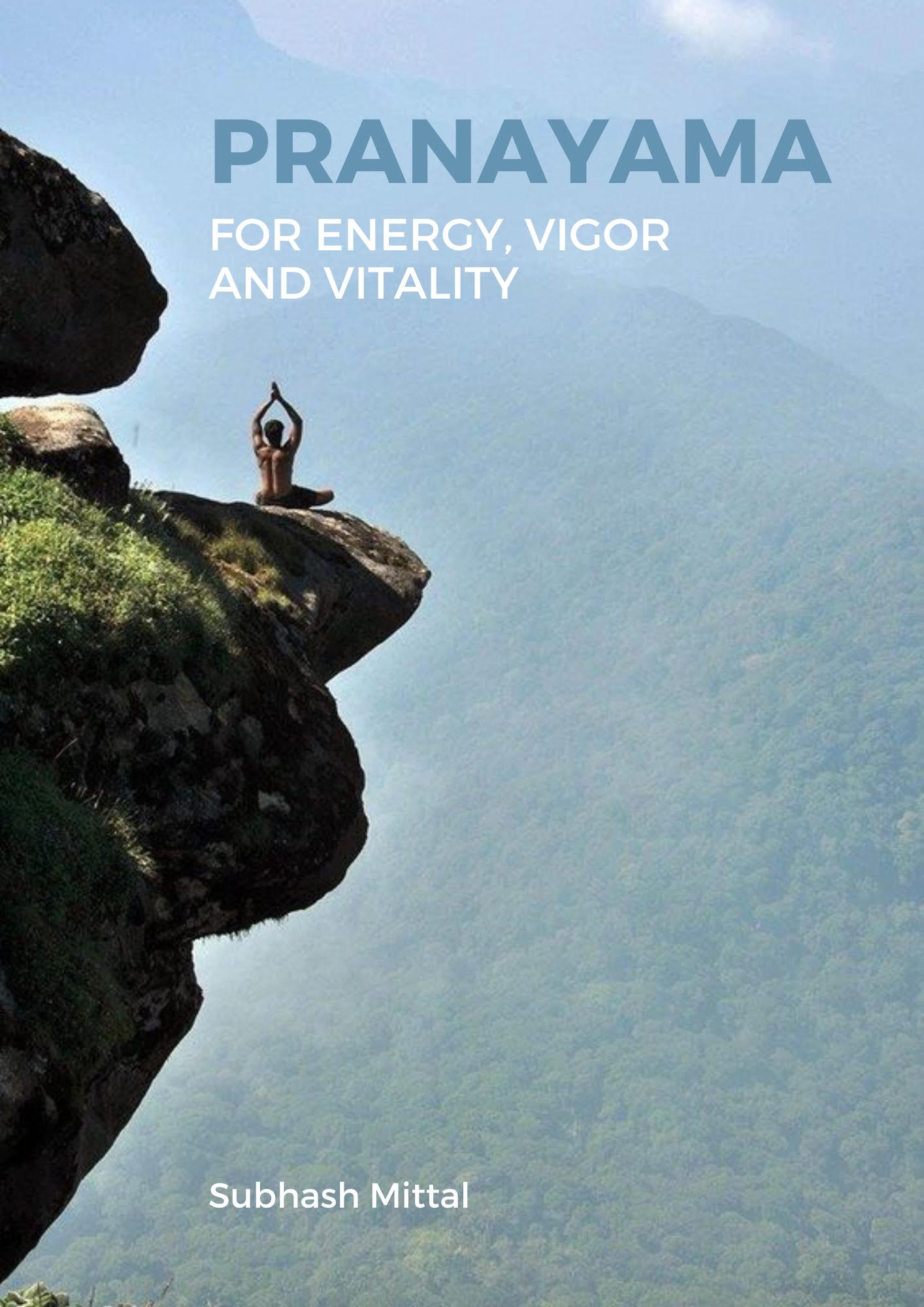
Pranayama book
Prana is the vital link between the mind and the body. A healthy prana can bring energy and vitality to the body and a sense of calm and clarity to the mind. Pranayama is the art and science of making this prana stronger, healthier, efficient and balanced.
As many of you are aware, I have recently published my book. “Pranayama for energy, vigor and vitality”. The book contains detailed step-by-step practical instructions on over twenty pranayama practices. In addition, it has chapters on the underlying concepts of pranayama as presented in some of the ancient yoga texts like the Yoga Sutras by Patanjali and the Hatha Yoga Pradipika. Essentially, it is a compilation of all the articles related to pranayama that I have written on my blog over the years. Since the information on the blog is scattered across the blog, it can be challenging and time consuming to find information related to a specific practice that you may be looking for. As such, this book can now become a prime resource for anyone looking to get practical guidelines on a variety of pranayama practices. I have tried to arrange the sequence of the articles to match the sequence of pranayama practices that I teach in my yoga classes and especially in the special 14-day pranayama intensives. That should make it easy for the readers to develop their own sequence for their home yoga practice.
Where to get the book?
You can buy the book (Kindle format or paperback) on Amazon here. It is also available on Amazon (India) here.
If you live in the Triangle area of NC, you can visit me at my home and get your own signed copy ($10).
Amazon reviews
As you are aware, buyers depend on product reviews on Amazon to make their buying decision. Once you obtain a copy of the book, I’d truly appreciate your writing a review on Amazon. That will help promote the book further so more people can get the book and derive benefits from their pranayama practices.
Feel free to contact me over the phone or via the blog here.
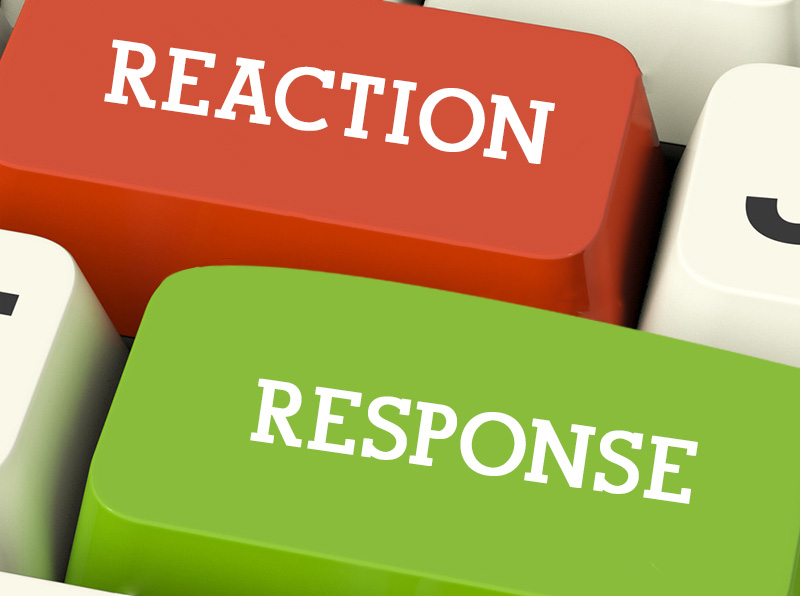
Reaction vs. response
If we look at their dictionary meanings, the words “reaction” and “response” have a similar meaning. In many situations, they can even be used interchangeably. However, when we want to understand human psychology and how it impacts our patterns of behavior, we need to start distinguishing between these two words.
In many situations in life, we tend to react blindly to a stimulus that we are confronted with without any consideration of the possible outcome of our actions. A reaction is often done as a defense mechanism and is usually emotionally charged. In most cases, a reaction results in negative consequences and we may end up regretting it.
A response, on the other hand, is an act which is a result of careful evaluation of the stimulus that triggered the response and the possible consequences of the act. When we respond with clarity of thought, it can result in a healthy and beneficial outcome for us.
React or respond?
Let’s take a few examples of how the two may play out in a given situation:
Continue reading »
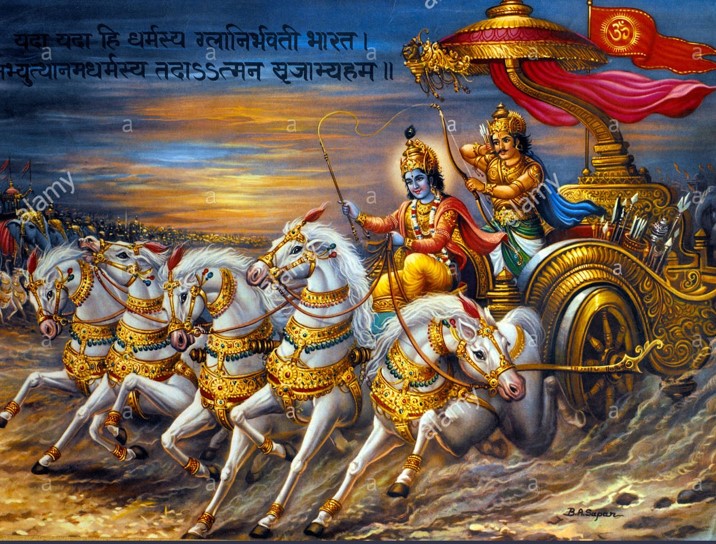
Krishna, Arjuna in chariot
I am pleased to offer a 10-week weekly workshop, “Essential message of Bhagavad Gita” as follows:
- What: Essential message of Bhagavad Gita
- When: Every Sunday
- Start date: Sunday, July 30, 2023
- TIME: 10:30 AM – 12:00 PM (US East Coast, EST)
- Participation: Online via Zoom. The link to join will be provided upon receipt of registration and payment.
- Fee:
- To register: please fill out the registration form, providing information in all the fields.
Continue reading »
Padmasana (Lotus Pose)
I am pleased to announce the next Pranayama intensive. In this program, we will be practicing some of the main pranayama techniques given in our ancient yoga texts. I will also discuss the underlying concepts in the practice of pranayama and all the wonderful benefits that the practice can bring us.
You can join the program either online via zoom or in person at my home studio.
You can view/download the program flyer here. Feel free to share it with your own distribution lists.
A brief outline of what I plan to cover in the course is given in this document (pdf format) in my dropbox folder.
No prior yoga (asana, pranayama or meditation) experience is required.
Progaram details:
- What: 14-day pranayama intensive
- When: Monday, July 31 – Sunday, August 13, 2023
- Time: 6:00 – 7:30 AM (US East Coast time, EST)
- In-person participation: At my home studio located at 206 Redwood Park Drive, Morrisville, NC 27560
- Zoom access: The link to access via zoom will be provided upon receipt of registration and payment.
- Fee:
- Instructor: Subhash Mittal
- Daily Routine: Light stretching (10-15 minutes), Pranayama practice (45 min), Relaxation (15 min), Yoga philosophy/meditation (15 min)
- Commitment: A firm commitment to follow this schedule and attend every day
- To register: fill out the registration form, providing information in all the fields, and submit it online
Continue reading »
|
Video DVD
Yoga with Subhash (asana and pranayama)
- Basic asana sequence (~50 min) ($18)
- Pranayama/Meditation (~35 min) ($12)
- Set of above two ($25)
Video recording of special programs offered in the past
(Links to YouTube videos will be provided)
- 21-day yoga immersion - $40
- 7-day hip opening intensive - $20
- 14-day meditation intensive - $30
- 14-day pranayama intensive - $30
- 7-day hamstring/quad intensive - $20
- 14-day Level 2 yoga intensive - $35
Payment options:
- cash, check, Zelle (use subhashmittal@gmail.com) or Venmo (use 9199269717)
- PayPal (go to bottom of page) (add $5 to the fee listed above)
Please contact me if you would like to buy.
|

Recent Comments