
Spinal Twist (Ardha-matsyendrasna)
Why do we practice yoga?
Everyone comes to yoga for a different reason. Some of the more common reasons include:
Physical Level
- Flexibility & Strength: To build flexibility, strength, balance and endurance.
- Pain Relief: Low back pain, especially soon after waking up, is the most common area of concern. Other parts of the body experiencing pain include the knees, hips, neck and shoulders.
- Fitness: Weight management, overall energy enhancement. Athletes and sports people look for enhanced performance.
- Body Awareness: Increases mindfulness of bodily sensations, leading to healthier habits.
Mental & Emotional level
- Stress: Modern lifestyle with work overload, tight deadlines etc. cause a lot of stress. People come to yoga for stress relief, keep the mind calm and peaceful so they can be more productive.
- Anxiety & Depression: Some people are habitually prone to anxiety and depression. Some feel anxious about trivial situations – their child not getting home on time, fear of the unknown etc.
- Focus & Clarity: If the mind can stay calm in trying circumstances, one can develop better focus and concentration, eliminating unnecessary distractions.
- Better Sleep: Promotes relaxation, both physical and mental, leading to improved sleep quality.
Spiritual
- Mind-Body Connection: Fosters awareness of the interconnection between mind and body. In the classes that I teach, at the end of the asana sequence, we always go through a moment of reflection which promotes a deep mind-body connection. In this exercise we try to identify the roles played by the ego vs. the intellect and over time develop the ability to engage the intellect in more life situations.
- Living in the Present Moment: Staying grounded and in the present moment, not bothered by past regrets or future worries.
The above is just a sample of the reasons for practicing yoga. Of course, there are many other situations in life where yoga can offer an effective solution.
What is yoga?
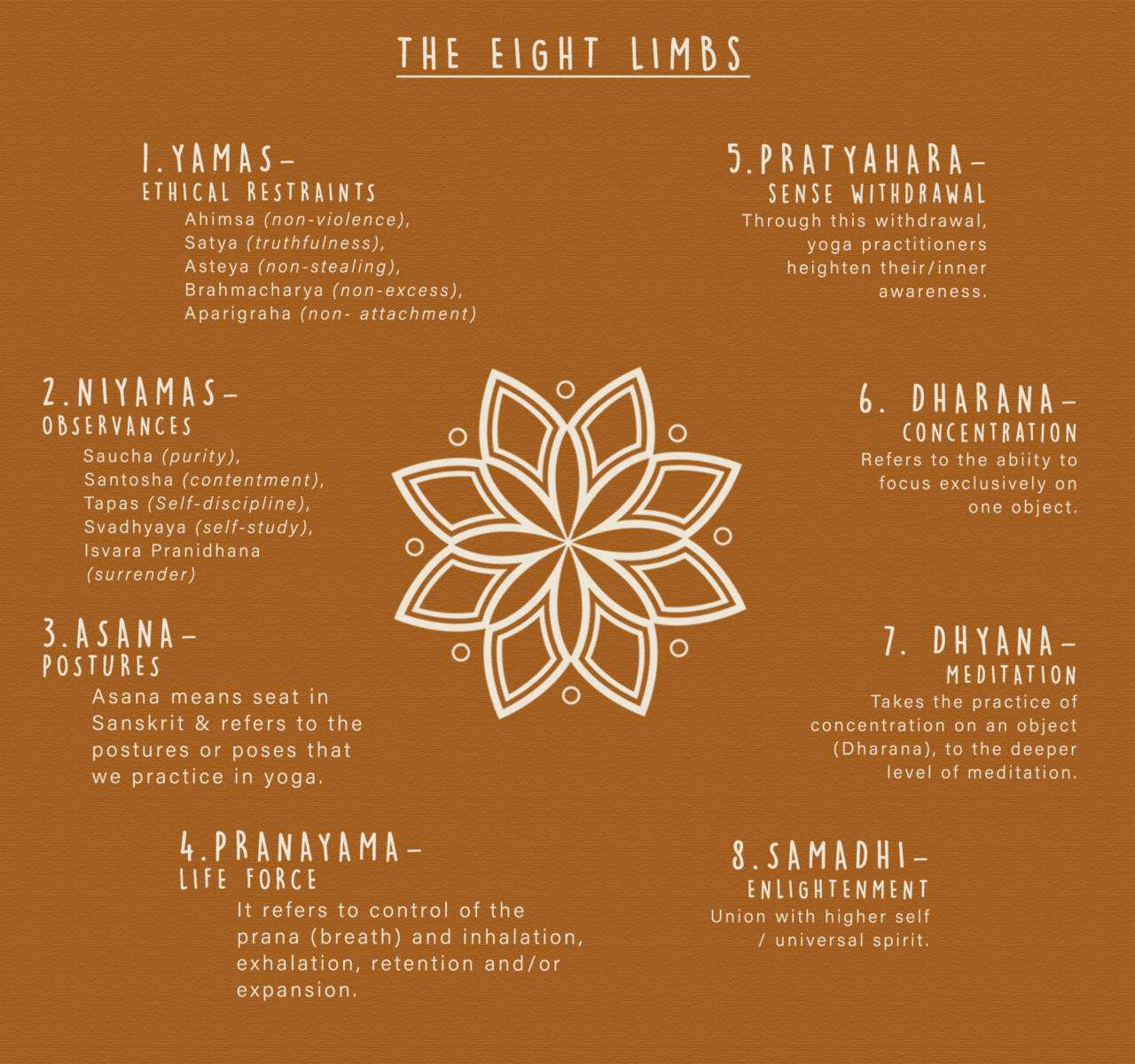
Patanjali, in the Yoga Sutras, gives a nice definition and the purpose of yoga in sutra 1.21 “Yoga is the cessation of the fluctuations going on in the mind”. As we know, the mind is constantly busy with thoughts, emotions, feelings, ideas and so on. It is this constant turmoil in the mind that keeps up from gaining any peace or tranquility of the mind. To attain this goal of cessation of the constant chatter in the mind, Patanjali offers the eight limbs of yoga known as the Ashtanga Yoga. From a practical perspective, the three most important limbs are asana, pranayama, and meditation. The objective of yoga being to calm the mind, the most important of these three limbs is meditation. Both asana and pranayama help prepare us for the practice of meditation. One can think of meditation as both the practice and the final state of the mind. In the final state of meditation, called samadhi, the mind becomes free of all content except the object of meditation.
Practice of Yoga
Most people tend to identify yoga with the asana practice only. This is a common misconception which keeps them focused only on physical well-being. As noted above, yoga can offer benefits well beyond the physical – at the mental, emotional, intellectual and spiritual levels as well. To derive such benefits, we need to look at a comprehensive approach to yoga. From a practical perspective, the practice of yoga includes asana, pranayama, relaxation, and meditation. Proper diet also plays an important role in realizing all the benefits from the yoga practice.
A brief sequence comprising asana, pranayama and meditation
If you have attended the yoga classes that I teach, you know that I always emphasize the need to establish your own practice at home. Practicing at home regularly helps develop self-confidence and self-discipline and helps you derive full benefits of yoga as listed above. Of course, you are encouraged to continue to practice as a group by attending the weekly classes that I teach. The most common challenge that people find is to allocate adequate time for the practice. Most people have mentioned that they can allocate maybe 40-45 minutes at most. Keeping that in mind, I have recorded a 40-minute video with a sequence that includes all aspects of yoga practice – asana, pranayama, relaxation, and meditation.
I hope you’ll enjoy practicing with me using the video.
The sequence includes:
- Cat and cow stretch
- Two basic rounds of Surya Namaskara
- Dhanurasana (bow pose)
- Pashchimottanasana (seated forward bend)
- Ardha-Matsyendrasana (twisting pose)
- Brief yoga nidra
- Kapalabhati
- Nadi Shuddhi (alternate nostril breathing)
- Brief meditation
I strongly urge you to build your home practice using this video sequence. Once you have become comfortable and regular with the practice, you may start adding more variations to the practice. You are welcome to consult me if you have any questions.
I look forward to hearing back from you with your comments and feedback.
[Note 1]
योगश्चित्तवृत्तिनिरोधः॥२॥ yogaś-citta-vr̥tti-nirodhaḥ ॥2॥
“Yoga is the cessation of the fluctuations going on in the mind”
Recent Comments